

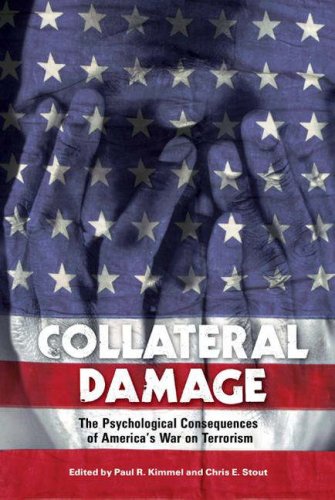
Collateral Damage: The Psychological Consequences of America's War on Terrorism
-
 Writen byPaul Kimmel, Chris E. Stout
 - PublisherPraeger
- Year2006
Collateral Damage provides a critical look at the psychological repercussions of the U.S. war on terrorism, as assessed by a team of fifteen psychologists. The contributors, including experts from the American Psychological Association, analyze how U.S. counterterrorism policies have impacted American society’s mental health. The book discusses the effects of color-coded terrorism alerts, which can desensitize the public to real threats, and the growing psychological phenomena of fear, depression, and helplessness. Additionally, it examines issues like increased stereotyping of foreigners, domestic hate crimes, and the heightened acceptance of civil liberties restrictions and human rights violations. These changes are considered through a psychological lens, questioning whether these responses have made the U.S. stronger or more vulnerable to future attacks. Note:It explores the psychological consequences of the war on terrorism and provides critical insights into how these policies have shaped public perception and behavior. The book is valuable for studies related to the mental health consequences of counterterrorism efforts and public policy in response to global security concerns.