
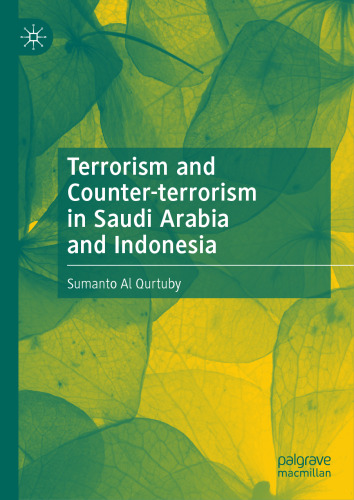
Terrorism and Counter-terrorism in Saudi Arabia and Indonesia
-
 Writen bySumanto Al Qurtuby
 - PublisherPalgrave Macmillan
- Year2022
Terrorism and Counter-terrorism in Saudi Arabia and Indonesia by Sumanto Al Qurtuby offers a comparative analysis of terrorism and counter-terrorism efforts in two prominent Sunni Muslim-majority countries: Saudi Arabia and Indonesia. The book delves into the historical and contemporary developments of Islamist terrorism within these nations, scrutinizing the strengths and weaknesses of governmental policies, strategies, and models of counter-terrorism, including rehabilitation and reintegration programs. Additionally, it captures societal perspectives by documenting the opinions of Saudis and Indonesians on effective methods to combat violent extremism. The author also explores the cooperation between Saudi Arabia and Indonesia in areas of counter-terrorism, defense, and security. The book posits that while certain Islamic texts and teachings may influence radical behaviors, terrorism extends beyond ideological and religious dimensions, necessitating multifaceted approaches to counter radicalism and foster sustainable peace. In an era where global terrorism continues to evolve, this book's comparative study of Saudi Arabia and Indonesia provides valuable insights into the complexities of Islamist terrorism and the efficacy of various counter-terrorism strategies. The emphasis on rehabilitation and reintegration programs is particularly pertinent, as nations seek to address not only the immediate threats posed by terrorism but also the underlying factors contributing to radicalization. The exploration of societal opinions and bilateral cooperation offers a holistic understanding of counter-terrorism efforts, making the book relevant for policymakers, scholars, and practitioners aiming to develop comprehensive and culturally sensitive approaches to combating violent extremism.This book is a significant contribution to the field of terrorism studies, offering an in-depth comparative analysis of two countries that have faced distinct yet interconnected challenges related to Islamist terrorism. Its comprehensive examination of governmental strategies, societal perspectives, and international cooperation provides a nuanced understanding of counter-terrorism efforts. While the academic nature of the book makes it particularly suitable for researchers, students, and policymakers, its accessible writing style ensures that it can also benefit a broader audience interested in understanding the dynamics of terrorism and counter-terrorism in the Muslim world.