
Avoiding the Terrorist Trap:
-
 Writen byTom Parker
 - PublisherWorld Scientific Europe
- Year2019
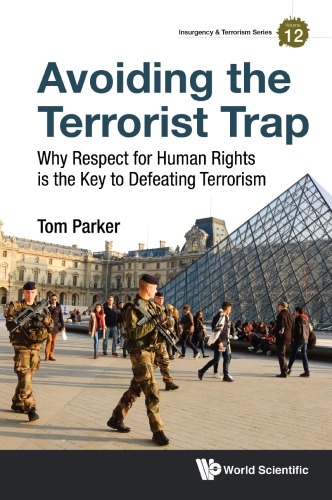
In Avoiding the Terrorist Trap, Tom Parker explores the recurring patterns in terrorist strategies and the missteps often made by states in countering them. Drawing on historical and contemporary examples, Parker argues that terrorism is most effectively countered by respecting human rights, rather than succumbing to overly coercive measures. The book critiques the knee-jerk reaction by states to use excessive force, which, according to Parker, only exacerbates the situation and serves the terrorists’ agenda by increasing societal divisions. By addressing the true nature of the threat and emphasizing democratic values and flexibility, the book advocates for a more measured, rights-based approach to counter-terrorism that avoids falling into the “terrorist trap” of escalation. Relevance with the Current Era along with Community Engagement Mechanism The book is highly relevant in the context of modern counter-terrorism strategies, particularly in a time when states are increasingly faced with both violent extremism and the challenges of maintaining civil liberties. Parker’s insights align with current debates on how to balance security with human rights, offering a clear critique of aggressive policies and providing solutions based on evidence and historical analysis. The emphasis on respecting human rights directly correlates with community engagement mechanisms that focus on addressing root causes of extremism, promoting rehabilitation, and building trust between the state and its citizens. The book’s recommendations support an approach that encourages dialogue, inclusivity, and peaceful resolution of conflicts, which is central to community-based peacebuilding efforts. Avoiding the Terrorist Trap offers a critical perspective on counter-terrorism strategies, advocating for a human rights-based approach. The book is an essential resource for anyone involved in developing policies or strategies for counter-terrorism, providing historical context and practical guidance on avoiding common pitfalls in security policies. Its emphasis on democratic values, human rights, and avoiding excessive force makes it highly relevant for contemporary discussions on how to address terrorism while upholding fundamental freedoms. Target Audience: The book is geared towards counter-terrorism professionals, policy makers, human rights advocates, security analysts, and academics in fields related to political science, security studies, peace studies, and international relations.